


How do verifiable credentials work?
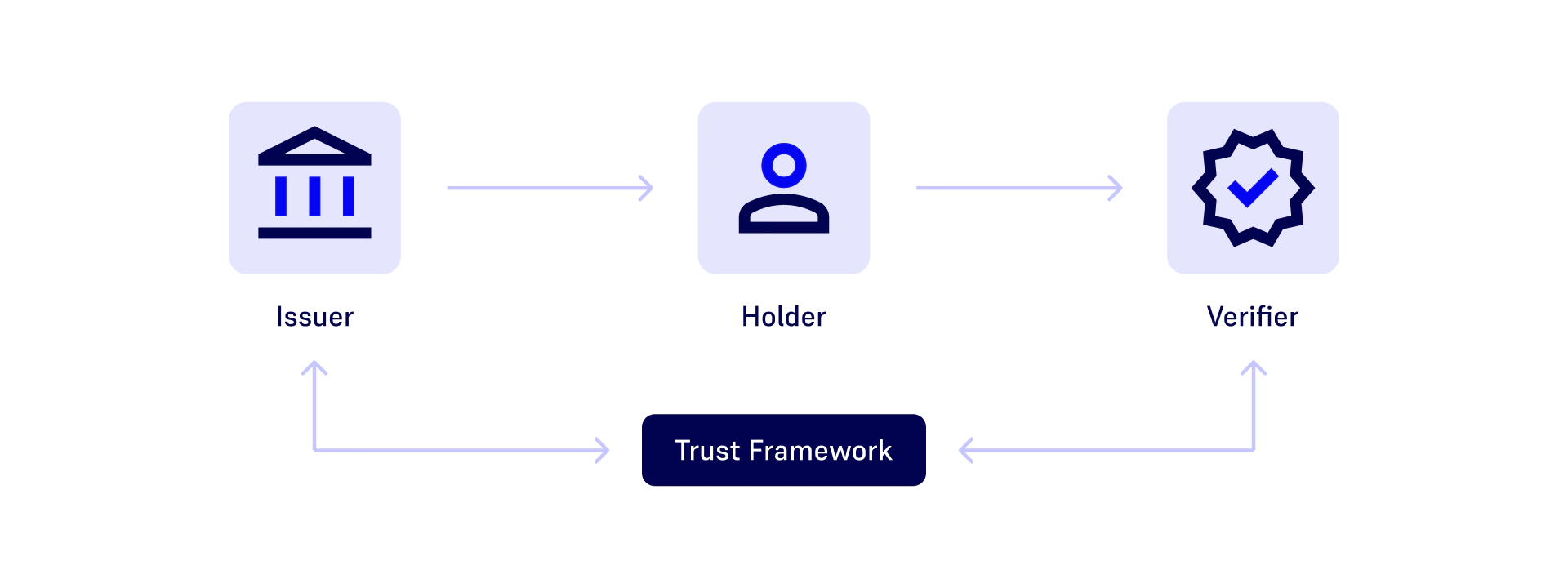
The Trust Triangle

Products
Identity Verification
Authentication
Data collection & Analysis
E-Signature

Electronic signature
Simplify the signing of your documents online

Certified SMS
Guarantee the delivery and legal validity of your SMS communications

Certified email
Ensure the delivery and legal validity of your email communications.

Digital preservation
Ensure the authenticity and compliance of your electronic documents
Solutions
By industry
By use case
See Signaturit in action
We simplify your document workflows
Get a personalized demo
Partners
Resources
Products
Identity Verification
Authentication
Data collection & Analysis
E-Signature
Electronic signature
Simplify the signing of your documents online
Certified SMS
Guarantee the delivery and legal validity of your SMS communications
Certified email
Ensure the delivery and legal validity of your email communications.
Digital preservation
Ensure the authenticity and compliance of your electronic documents
Solutions
By industry
By use case
See Signaturit in action
We simplify your document workflows
Get a personalized demo
Partners
Resources
Prove identity or attributes (such as a diploma, license, or official document) digitally and securely.
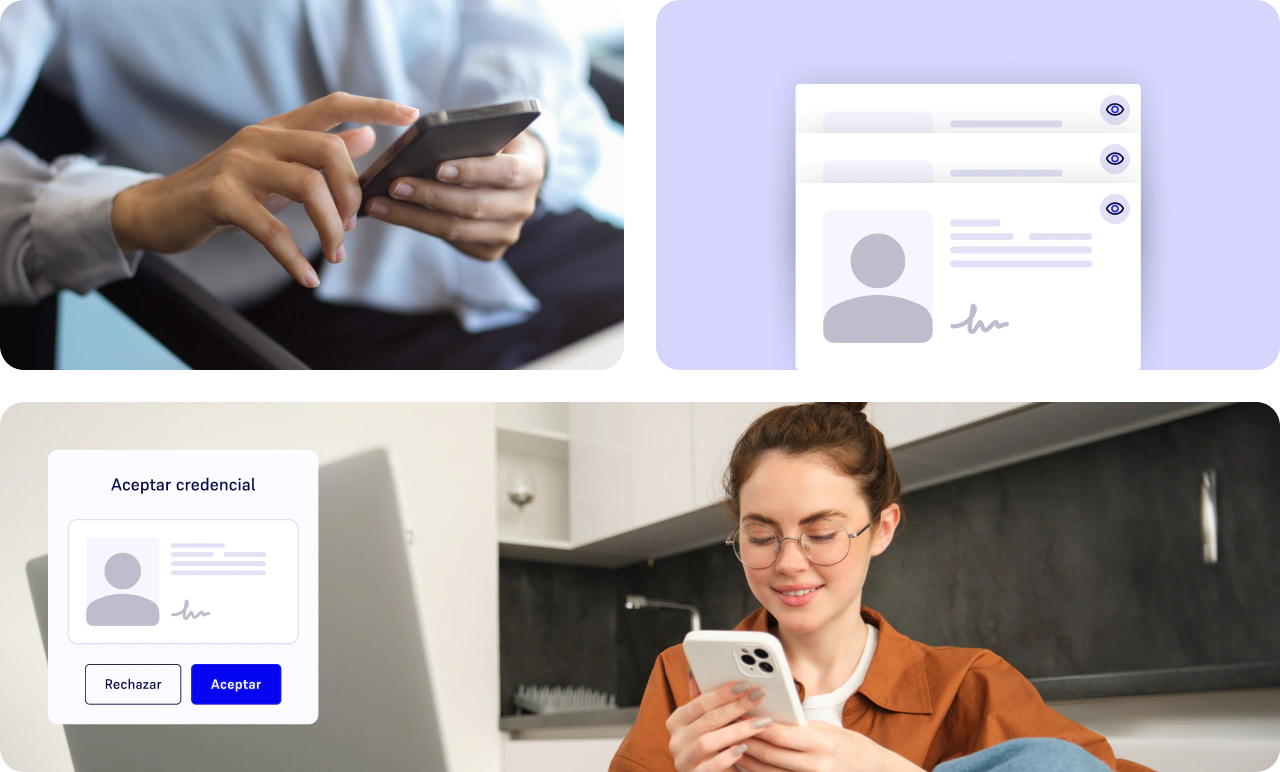
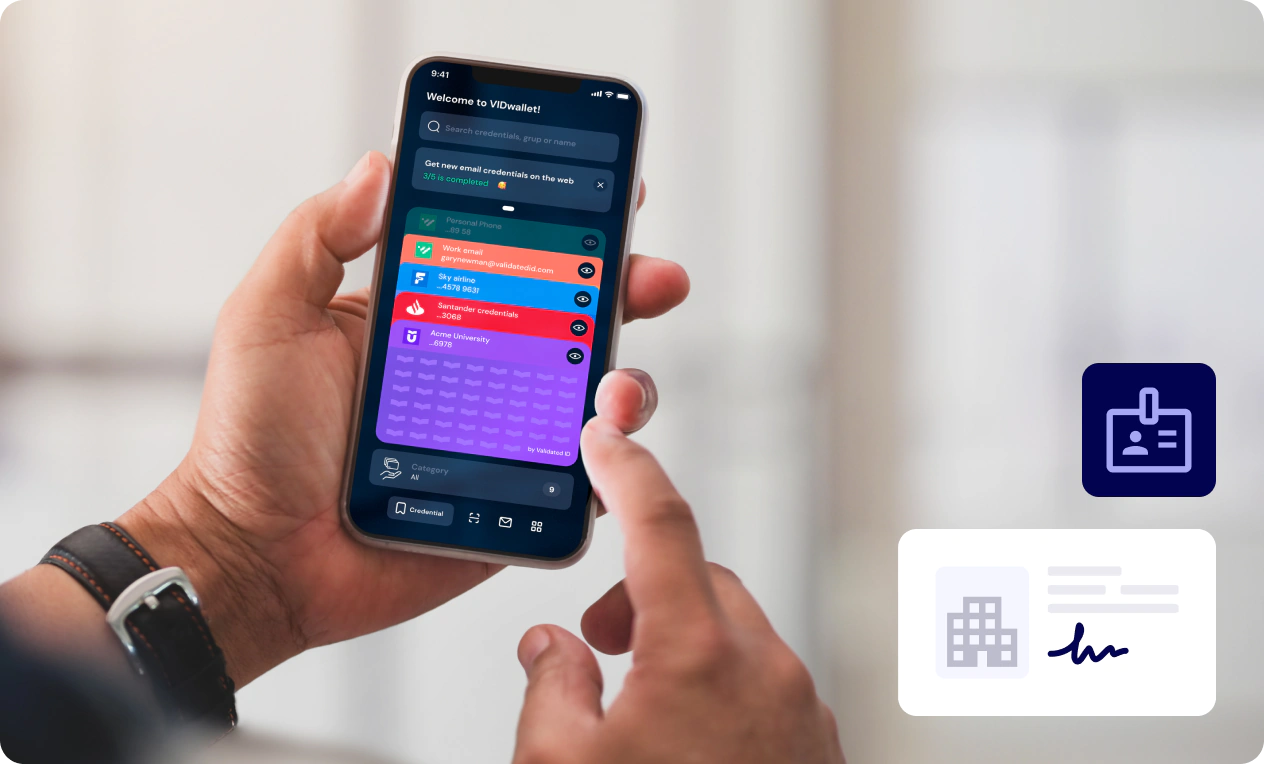
Verifiable Credentials (VCs) are secure digital attributes that allow identity or attributes to be reliably and verifiably demonstrated across Europe. The user retains control through their Digital Identity Wallet, while companies and public administrations can issue and validate data with complete confidence.
To understand how the EUDI Wallet and verifiable credentials work, there are three main actors:
The entity issuing the credentials (e.g., university, public administration, professional body)

Stores and controls their credentials (e.g., a student keeps their digital diploma in their wallet)

Accepts and validates the authenticity of the credential (e.g., bank, recruitment company, healthcare provider)

Benefits

Credentials are stored encrypted in the user’s wallet, protected against fraud and identity theft.

Use your identity throughout the EU, with access to public and private services without borders.

You decide what information to share, when, and with whom. No one can access it without your consent.
Use cases

Access public services (e.g., large family credential issued by a Member State).

Request your student credential or digital diplomas for academic procedures and scholarships.

Easily identify yourself to open accounts, apply for loans, or manage insurance.

Use your credentials to access medical records or social benefits.
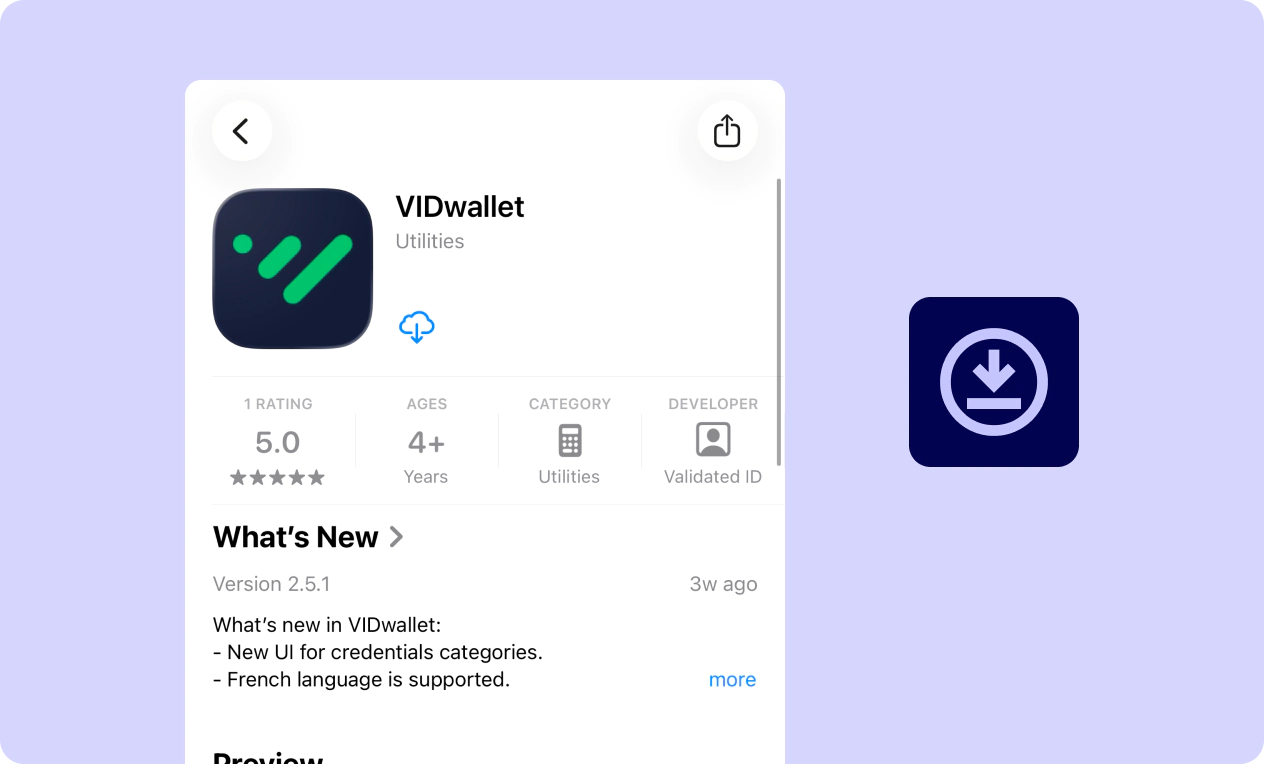
Try our Digital Identity Wallet and Verifiable Credentials in 4 steps
Available on iOS and Android.
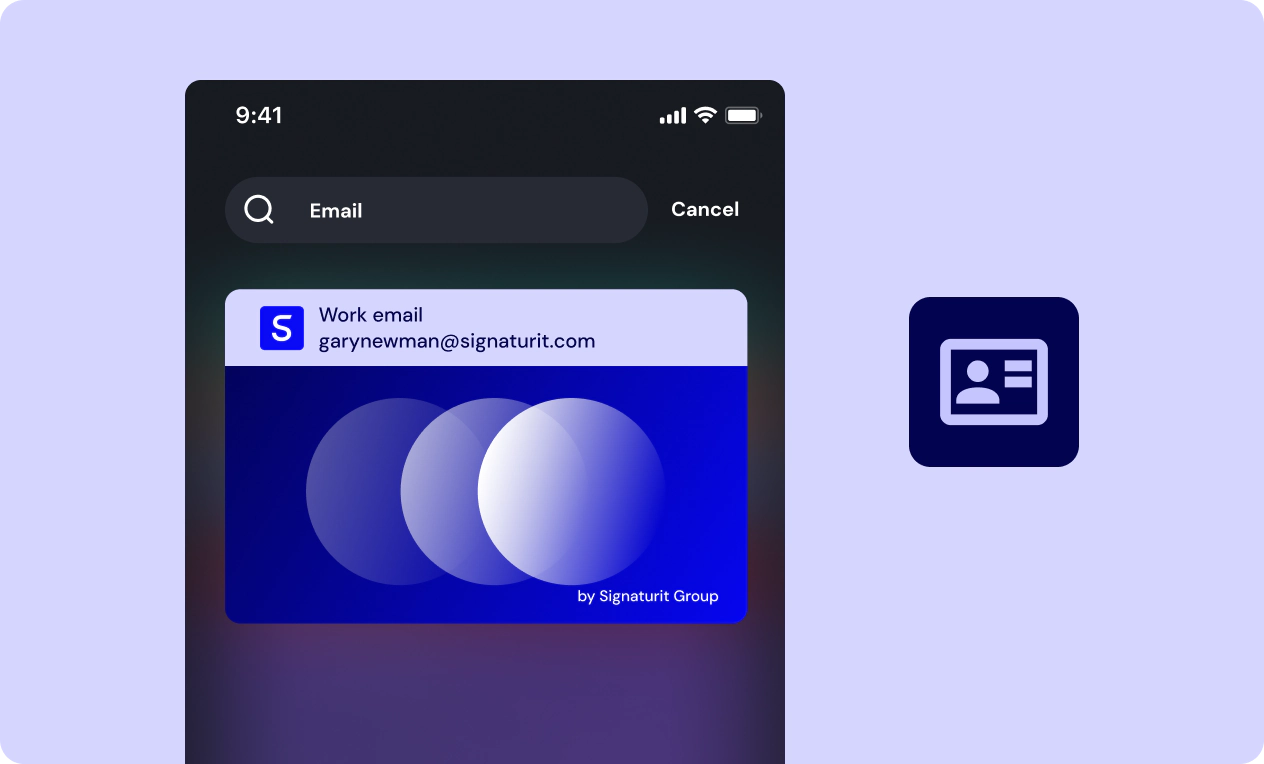
For example, your email credential.
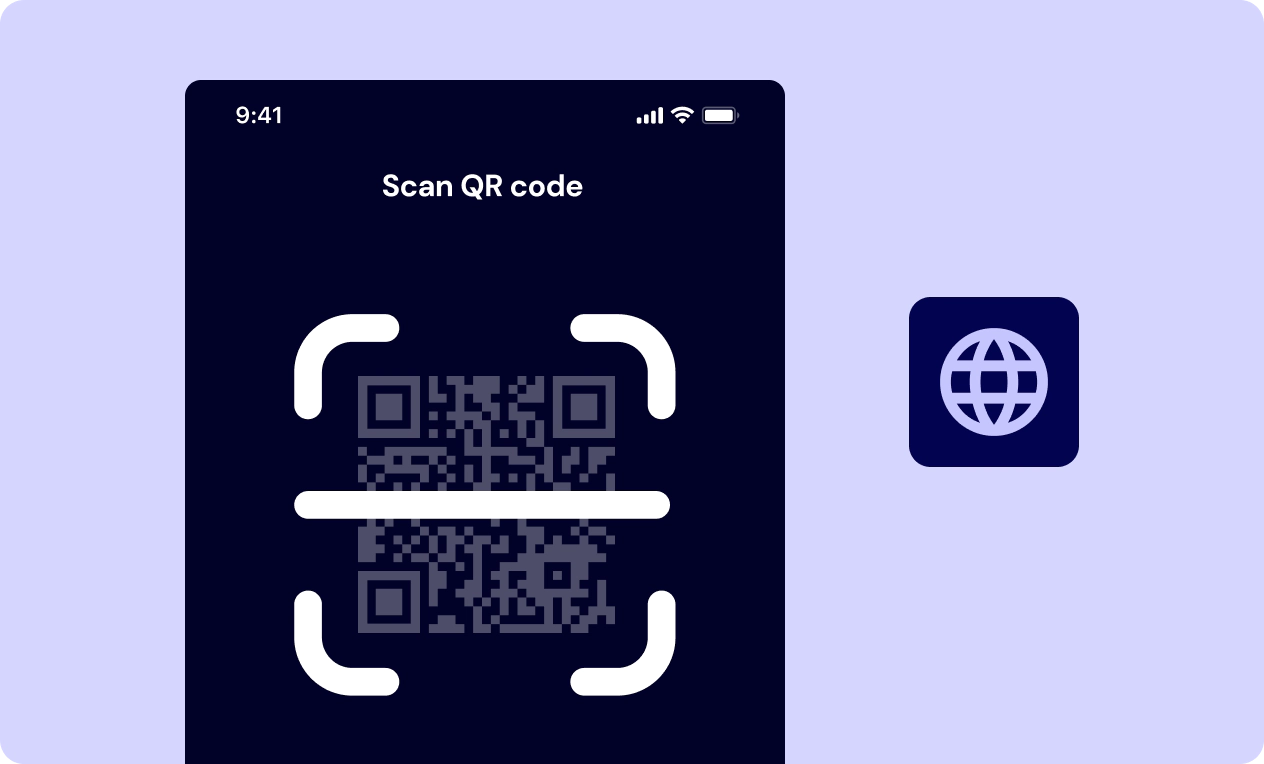
Example: Government of Freedonia → request your large family credential.
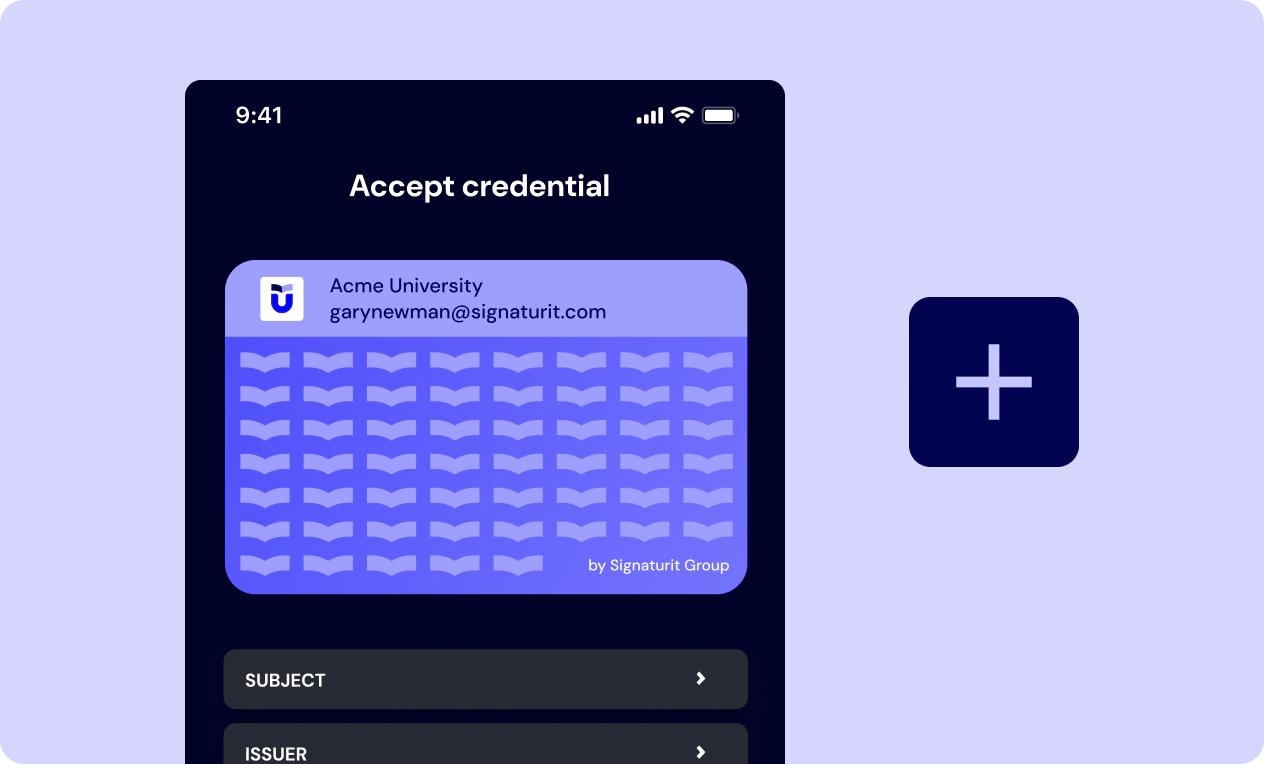
Example: student card at ACME University and use it to get discounts.
Roadmap
Mandatory sectors include: banking, energy, healthcare, higher education, telecommunications, transport, social security, water, postal services, and large online platforms.
Project portfolio